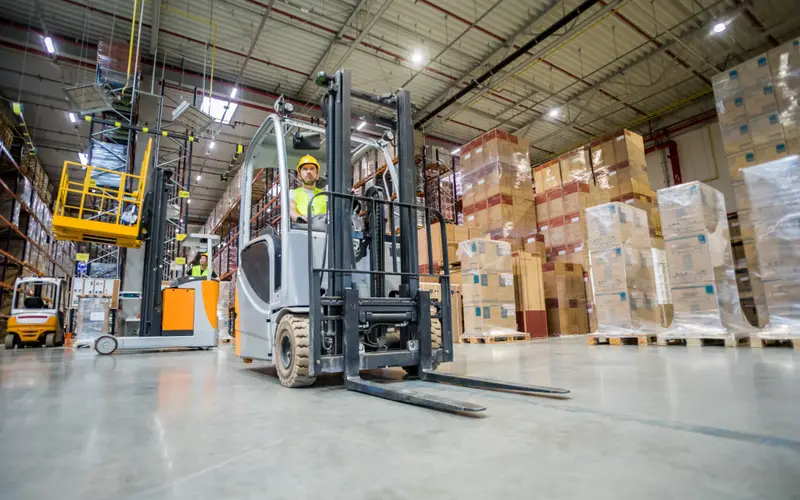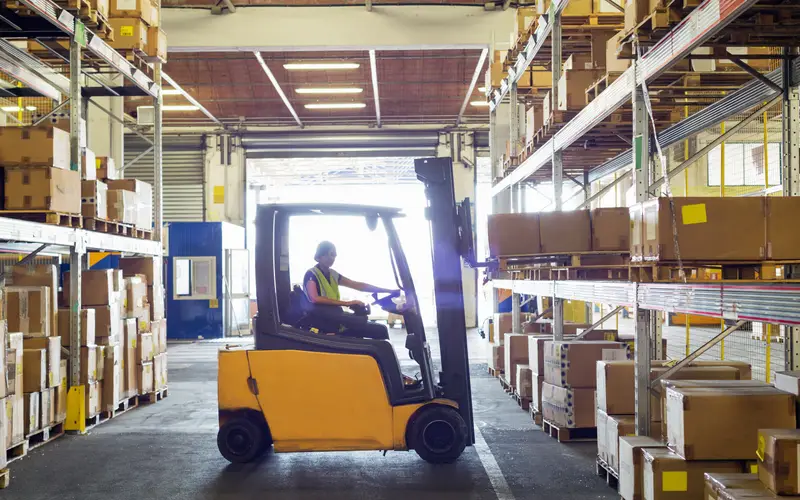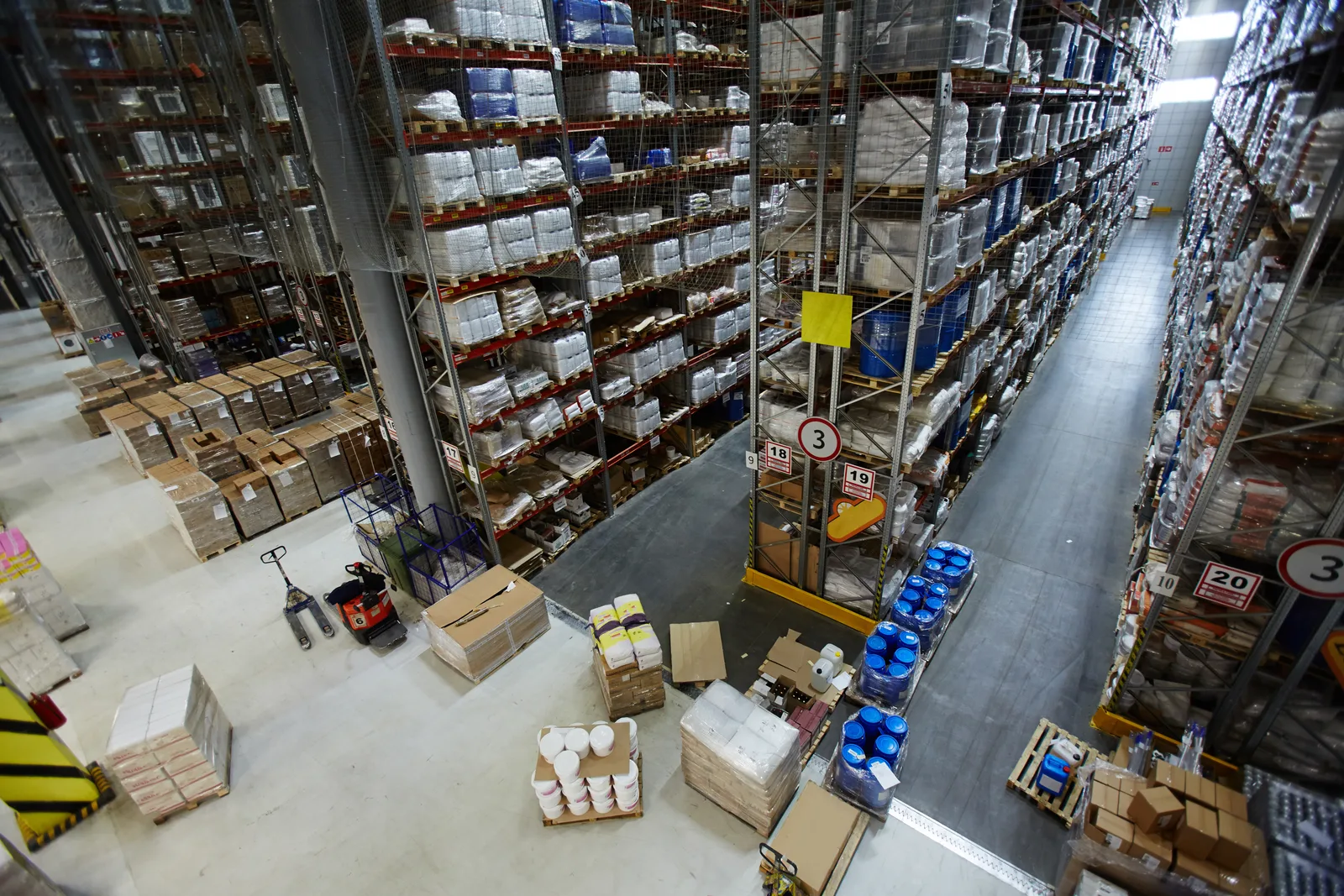
Twenty years ago, I supported my first greenfield implementation for a direct-to-consumer facility in Virginia. The 540,000-square-foot facility included Very Narrow Aisle reserve storage, two three-level pick modules, and a tilt-tray sorter used for both order assembly and parcel shipping. The operation relied on 12 man-up turret trucks, reach trucks, and single and double-pallet electric power trucks. Although the facility design appeared highly capable, we soon identified a significant operational inefficiency commonly referred to as “empty fork” syndrome.
What Is Task Interleaving?
Task interleaving is an advanced routing methodology that enables warehouse operators to complete multiple, logically connected activities within a single trip. Rather than executing assignments in isolation, operators are directed to combine complementary tasks such as order picking, stock replenishment, and cycle counting within the same movement cycle.
This approach reduces deadheading, or travel without productive work, and helps ensure that each movement within the warehouse contributes to measurable operational output.
The WMS Advantage
Unlike many WMS systems that assign tasks independently or in a fixed sequence, new warehouse management systems function as intelligent orchestration platforms. Leading solutions, including Infor WMS, can use real-time operational data to optimize task assignments based on several key factors:
- Operator’s location and availability
- Equipment type and operational readiness
- Task priority, sequencing, and service-level requirements
- Warehouse layout, travel paths, and congestion constraints
These systems also integrate seamlessly with automation technologies, including Autonomous Mobile Robots (AMRs) and Automated Storage and Retrieval Systems (AS/RS), enabling a unified, data-driven, and highly optimized workflow.
Seeing this play out in your own environment?
In our follow-up post, Maximizing Fulfillment Velocity: The Power of Task Interleaving, we map where to start, what to prioritize first, and the major benefits of interleaving tasks to maximize efficiency.
Want to get ahead of the next post?
Reach out to the SIS Warehouse Strategy & Optimization practice to talk through your warehouse consulting needs and WMS planning and integration.
Explore Warehouse Strategy & Optimization