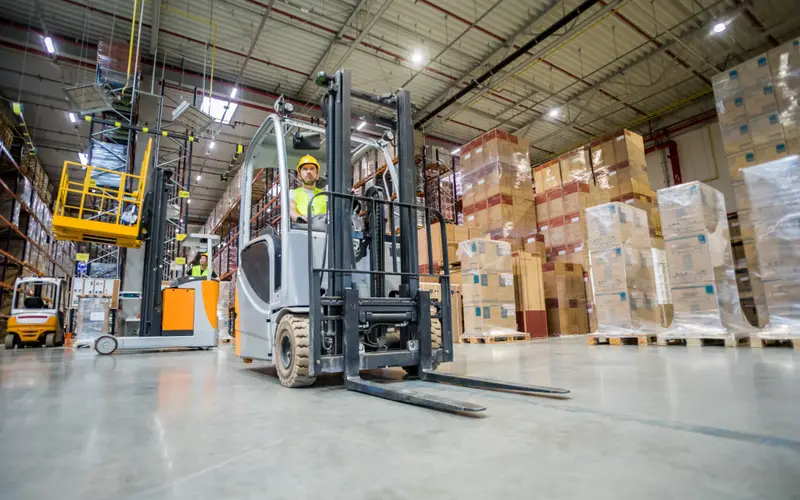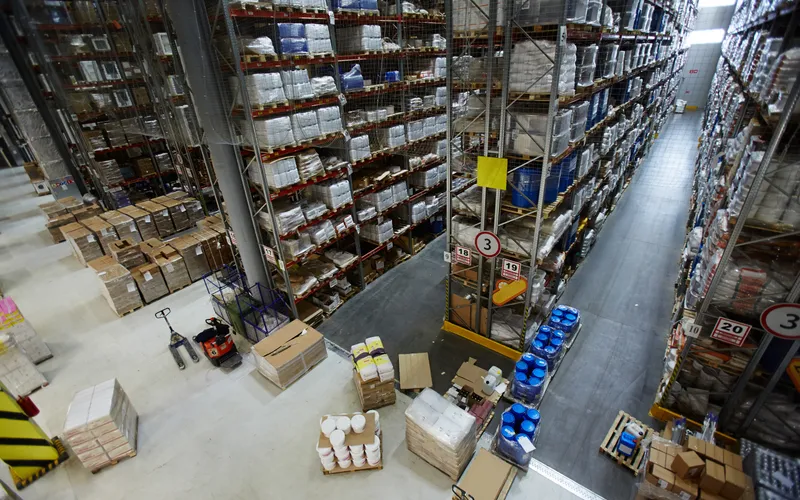
In our first look at task interleaving, we covered why empty-fork travel drains warehouse capacity and how a modern WMS can orchestrate mixed work in a single trip. In this post, we will map where to start, what to prioritize first, and the major benefits of interleaving tasks to maximize fulfillment velocity.
In warehouse management, travel time is the silent killer of productivity. Studies show that up to 50% of an operator’s shift is spent simply moving from one location to another—often driving an empty forklift. Traditional warehousing relies on wave picking or batch putaways, keeping workflows strictly segregated. Task interleaving shatters these silos by dynamically directing workers to perform a mix of tasks based on their current location.
Where to Start: Mapping the Foundation
Before turning on interleaving features in your Warehouse Management System (WMS), you must map your physical and digital constraints. Skipping this step is how well-intentioned pilots create congestion instead of throughput.
- Define permission matrices: Segment your fleet by equipment type, weight capacities, and certifications so reach trucks are never assigned VNA (very narrow aisle) tasks.
- Geofence your zones: Divide your facility into distinct travel grids so the system only blends tasks that sit within a reasonable proximity.
- Audit WMS integration: Ensure inventory tracking, RF scanning, and automated data collection operate in real time to avoid directing workers to empty slots.
What to Prioritize First: High-ROI Quick Wins
Do not attempt to interleave every workflow on day one. Instead, prioritize high-volume, predictable dual cycles that yield immediate travel savings.
- Putaway and replenishment: Direct a lift truck to drop off a received pallet at a storage rack, then immediately assign it to pull a replenishment pallet from an adjacent bay on the way back.
- Pallet-out and pallet-in: Pair full-pallet outbound retrieval orders with inbound putaways at the shipping and receiving docks to eliminate empty return trips.
- Cycle counting integration: Program your WMS to trigger a quick cycle count whenever a picker clears a location, using their physical presence to audit inventory without a dedicated travel trip.
Major Benefits: Maximizing Efficiency
Implementing a dynamic interleaving framework directly impacts your bottom line by optimizing your most expensive variables: labor and equipment wear.
- Reduced deadheading: Cutting out empty travel trips can improve equipment utilization rates by up to 30%.
- Increased throughput: Shorter cycle times per task mean more orders leave the doors during every shift.
- Extended equipment lifespan: Fewer empty miles driven translates directly to lower maintenance costs and less battery or fuel consumption for your forklift fleet.
- Optimized labor utilization: Workers accomplish more tasks per hour without increasing their physical exertion or travel speed.
Start Small, Measure, Then Expand
In short, task interleaving helps warehouses turn wasted travel time into productive work. By first mapping equipment, zones, and system constraints, then prioritizing high-volume task pairings, teams can reduce empty trips, improve throughput, extend equipment life, and get more value from every labor hour. The key is to start small, measure the gains, and expand interleaving only where the workflow data proves it will deliver meaningful efficiency improvements.
What’s Next
In the final post of this series, Benefits of Implementing Interleaving Tasking for Your Warehouse and Distribution Centers, we define Empty Fork Syndrome and the measurable returns of a working interleaving framework in Infor WMS.
Want to get ahead of the next post?
Reach out to the SIS Warehouse Strategy & Optimization practice to talk through your warehouse consulting needs and WMS planning and integration.
Explore Warehouse Strategy & Optimization